
Introduction
Imagine walking on ancient stone steps built more than 500 years ago, surrounded by towering Andean mountains, misty cloud forests, and the quiet energy of sacred Inca sites hidden deep in the wilderness.
That is the magic of the Inca Trail.
The Inca Trail is not just a hike. It is a journey through history, nature, culture, and emotion. Every step takes you closer to one of the greatest wonders of the world: Machu Picchu.
For many travelers, the Inca Trail to Machu Picchu is the most unforgettable way to arrive at the Lost City of the Incas. Instead of reaching Machu Picchu by train only, you follow the same ancient paths once used by Inca messengers, priests, pilgrims, and nobility.
This is why the Classic Inca Trail is considered one of the best treks in the world. It combines adventure, archaeology, dramatic landscapes, and the powerful final moment of seeing Machu Picchu from Inti Punku, the famous Sun Gate.
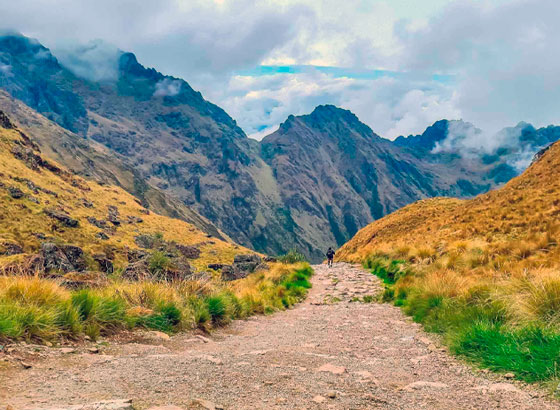
Image 1: Ancient Inca stone path through the Andes
Alt text: Inca Trail stone path leading through the Andes toward Machu Picchu
Caption: Walk along original Inca stone paths on one of the world’s most iconic trekking routes.
What Is the Inca Trail?
The Inca Trail is part of an ancient network of paths built by the Incas to connect important cities, temples, agricultural zones, ceremonial centers, and sacred mountains across their vast empire.
Today, the most famous section is the Inca Trail to Machu Picchu, a regulated multi-day trek that begins near the Sacred Valley of Cusco and ends at Machu Picchu.
The Classic Inca Trail is the most iconic version of this route. It usually takes 4 days and 3 nights, crossing high mountain passes, cloud forests, original Inca stone paths, and impressive archaeological sites before reaching Machu Picchu through the Sun Gate.
Unlike many treks, the Inca Trail is not only about landscapes. It is a living museum in the mountains. Along the route, travelers discover ancient ruins, stone stairways, terraces, tunnels, and ceremonial places that reveal the spiritual and engineering brilliance of the Inca civilization.
For travelers searching for a meaningful Machu Picchu hiking tour, the Inca Trail offers something truly unique: the chance to arrive at Machu Picchu on foot, just as the Incas once did.
Why Is the Inca Trail So Famous?
The Inca Trail is world-famous because it offers one of the most powerful hiking experiences in South America.
It leads directly to Machu Picchu, one of the most iconic archaeological sites on earth. It follows original Inca roads, many of them still beautifully preserved after centuries. It passes hidden archaeological sites that can only be reached by hiking the trail.
The landscapes are equally unforgettable. During the Inca Trail trek, travelers walk through Andean valleys, high mountain passes, subtropical cloud forests, and narrow stone paths surrounded by orchids, moss, and mist.
But the most emotional moment comes at the end.
On the final morning, hikers arrive at Inti Punku, the Sun Gate. From there, Machu Picchu appears below, surrounded by green mountains and morning light. For many travelers, this first view is the reward for every step, every climb, and every early morning on the trail.
This is why the Classic Inca Trail is more than a trek. It is a once-in-a-lifetime pilgrimage to Machu Picchu.
A Short History of the Inca Trail
The Inca Trail was part of the Qhapaq Ñan, the great Inca road system that connected the vast territory of the Inca Empire. These routes linked Cusco with distant regions across the Andes, allowing communication, trade, military movement, religious pilgrimages, and administrative control.
The Incas were master builders. They created roads that crossed mountains, rivers, deserts, and forests with extraordinary precision. Many sections were paved with stone, supported by retaining walls, and designed to resist the difficult Andean environment.
The trail to Machu Picchu was not simply a practical road. It was also a sacred route. Along the way, the Incas built ceremonial sites, terraces, lookout points, and temples that aligned with mountains, valleys, and natural forces.
Today, walking the Inca Trail is like stepping into the heart of the ancient Andean world. The stones, ruins, and landscapes still carry the spirit of a civilization that saw nature and spirituality as one.
Where Does the Inca Trail Start and End?
The Classic Inca Trail usually starts at Km 82, near Ollantaytambo in the Sacred Valley of Cusco. From there, hikers begin their journey along the Urubamba River before entering the mountains and following the ancient route toward Machu Picchu.
Most travelers begin with an early transfer from Cusco to Km 82. The trek normally takes 4 days and 3 nights, with camping along the route.
On the final day, hikers enter Machu Picchu through the Sun Gate, enjoy a guided tour of the archaeological site, and return to Cusco by bus and train.
This route is often described as the most authentic Cusco to Machu Picchu trek because it connects the Sacred Valley, the Andes, the cloud forest, and Machu Picchu in one unforgettable journey.
What Can Travelers See Along the Inca Trail?
The Inca Trail is filled with beauty from the first day to the final sunrise.
Travelers walk along original Inca stone paths, crossing valleys where the sound of rivers follows the trail. Snow-capped mountains rise in the distance, while deep green forests cover the slopes below.
As the trail climbs higher, the scenery becomes more dramatic. Stone steps lead toward mountain passes. Clouds move across the peaks. The air feels fresh, thin, and powerful.
Then the landscape changes again. The trail descends into cloud forest, where orchids, ferns, moss, and native plants grow beside ancient stone walls. Birds move through the trees, and the path feels almost hidden in time.
Along the way, hikers visit remarkable archaeological sites such as Llactapata, Runkurakay, Sayacmarca, Phuyupatamarca, and Wiñay Wayna. Each site tells a different story about Inca life, religion, agriculture, and connection with the mountains.
Wiñay Wayna is one of the most beautiful places on the route. Its terraces seem to flow down the mountainside, surrounded by forest and silence. Many travelers say this site feels like a secret gift before reaching Machu Picchu.
Finally, the trail leads to Inti Punku, the Sun Gate. From here, the first view of Machu Picchu appears like a dream. After days of hiking, this moment is emotional, unforgettable, and deeply rewarding.
Image 2: Cloud forest and archaeological site on the Inca Trail
Alt text: Cloud forest and Inca archaeological site along the Classic Inca Trail
Caption: The Classic Inca Trail combines nature, history, and hidden Inca sites before reaching Machu Picchu.
Classic Inca Trail Overview
Day 1: Cusco – Km 82 – Wayllabamba
The adventure begins with a transfer from Cusco to Km 82, the official starting point of the Classic Inca Trail.
The first day is a gentle introduction to the trek. Travelers walk through the Sacred Valley, enjoying views of mountains, rivers, small villages, and the first archaeological sites along the route.
This day helps hikers adjust to the trail, connect with the landscape, and feel the excitement of starting the journey to Machu Picchu.
Day 2: Wayllabamba – Dead Woman’s Pass – Pacaymayo
Day 2 is the most challenging day of the Inca Trail trek.
The trail climbs toward Dead Woman’s Pass, the highest point of the route. The ascent is demanding because of the altitude, stone steps, and steady uphill hiking.
However, reaching the pass is an incredible achievement. From the top, travelers enjoy powerful mountain scenery and a deep sense of accomplishment.
After the pass, the trail descends to Pacaymayo, where hikers rest and recover after the toughest day of the trek.
Day 3: Pacaymayo – Phuyupatamarca – Wiñay Wayna
Day 3 is one of the most beautiful days on the Inca Trail.
The route passes several archaeological sites, including Runkurakay, Sayacmarca, Phuyupatamarca, and Wiñay Wayna. Travelers walk through cloud forest, stone tunnels, ancient stairways, and panoramic viewpoints.
This day feels deeply spiritual. The trail becomes greener, the ruins become more impressive, and Machu Picchu feels closer with every step.
Day 4: Wiñay Wayna – Sun Gate – Machu Picchu – Cusco
The final day begins early.
Hikers walk toward Inti Punku, the Sun Gate, where Machu Picchu appears for the first time. This is the emotional highlight of the Inca Trail to Machu Picchu.
After enjoying the view, travelers continue down to Machu Picchu for a guided tour of the archaeological site. Later, they take the bus to Aguas Calientes, board the return train, and travel back to Cusco.
It is a day of joy, reflection, and unforgettable memories.
Is the Inca Trail Difficult?
The Inca Trail is a moderate to challenging trek.
The difficulty comes from the altitude, long hiking days, steep stone steps, mountain passes, and changing weather. Some sections require good endurance, especially the climb to Dead Woman’s Pass.
However, the Inca Trail is achievable for many travelers with reasonable fitness, proper preparation, and good acclimatization before the trek.
We recommend spending at least 2 or 3 days in Cusco or the Sacred Valley before starting the hike. This helps your body adjust to the altitude and makes the experience more enjoyable.
You do not need to be a professional athlete. But you should be comfortable walking several hours a day and prepared for mountain conditions.
With the support of experienced guides, porters, cooks, and a well-organized local team, the journey becomes safer, smoother, and more rewarding.
Why Do You Need an Inca Trail Permit?
Travelers need an Inca Trail permit because access to the route is strictly regulated.
Permits are limited to protect the trail, archaeological sites, campsites, and fragile natural environment. This system helps preserve the Inca Trail for future generations.
Because spaces are limited, Inca Trail permits often sell out months in advance, especially during the dry season from May to September.
This is one of the most important reasons to book early. Once permits are sold out for your date, they cannot simply be added or replaced.
A reliable local Cusco-based travel agency can check availability, organize your permit, arrange your Machu Picchu entrance ticket, and make sure all logistics are handled correctly.
Best Time to Hike the Inca Trail
The best time to hike the Inca Trail is usually during the dry season, from April to October.
During these months, travelers often enjoy clearer skies, better mountain views, and more stable trekking conditions. May, June, July, August, and September are especially popular, so permits can sell out quickly.
The rainy season runs from November to March. During this time, the landscapes are greener and there are fewer travelers, but trails can be wet and visibility may vary.
The Inca Trail is closed every February for maintenance and conservation. Machu Picchu itself usually remains open, but the Classic Inca Trail route does not operate during that month.
For the best experience, plan early, choose your travel dates carefully, and secure your Inca Trail permits as soon as possible.
Who Should Hike the Inca Trail?
The Inca Trail is perfect for travelers who want more than a simple visit to Machu Picchu.
It is ideal for adventure travelers, first-time visitors to Peru, active couples, families with teenagers, solo travelers, photographers, history lovers, and anyone who dreams of reaching Machu Picchu in the most meaningful way.
It is also a wonderful choice for travelers who love nature, culture, and personal achievement.
If you want comfort only, the train to Machu Picchu may be a better option. But if you want a journey that challenges you, inspires you, and stays in your memory forever, the Inca Trail is one of the best choices in South America.
Limited Availability – Book Today
The Inca Trail is more than a trekking route. It is a path through ancient history, sacred mountains, hidden ruins, and one of the most emotional arrivals to Machu Picchu.
Every step brings you closer to the heart of the Andes. Every archaeological site tells a story. Every sunrise reminds you why this journey is considered one of the greatest hikes in the world.
Because Inca Trail permits are limited and sell out quickly, early booking is essential. Planning ahead gives you the best chance to secure your preferred date, travel with confidence, and enjoy a smooth, well-organized experience.
Book your Inca Trail tour package with a trusted local Cusco-based agency and let expert guides, caring staff, and a professional trekking team turn your dream of Machu Picchu into a once-in-a-lifetime adventure.
Your journey to Machu Picchu begins with one decision: secure your permit and take the first step on the legendary Inca Trail.
FAQs About the Inca Trail
What is the Inca Trail?
The Inca Trail is an ancient route built by the Incas, with the most famous section leading from the Sacred Valley near Cusco to Machu Picchu. Today, it is one of the most iconic trekking routes in the world.
How long is the Classic Inca Trail?
The Classic Inca Trail usually takes 4 days and 3 nights. It includes hiking, camping, archaeological sites, mountain passes, cloud forest, the Sun Gate, and a guided visit to Machu Picchu.
Where does the Inca Trail start?
The Classic Inca Trail usually starts at Km 82, near Ollantaytambo in the Sacred Valley. Most tours begin with a transfer from Cusco to the trailhead.
Do I need a permit for the Inca Trail?
Yes. All travelers need an official Inca Trail permit. Permits are limited and must be booked in advance through an authorized travel agency.
How difficult is the Inca Trail?
The Inca Trail is moderate to challenging. The main difficulties are altitude, long hiking days, stone steps, mountain passes, and changing weather. With preparation and acclimatization, many active travelers can complete it successfully.
Can beginners hike the Inca Trail?
Yes, beginners with good fitness and preparation can hike the Inca Trail. It is important to train before the trip, spend a few days acclimatizing in Cusco, and travel with an experienced trekking team.
When is the best time to hike the Inca Trail?
The best time to hike the Inca Trail is generally from April to October, during the dry season. May to September is the most popular period, so permits should be booked early.
Why should I book with a local agency?
A local Cusco-based agency offers expert guides, better organization, direct support, responsible porter treatment, small group service, and authentic cultural knowledge. Booking locally also supports Cusco families and Andean communities.