
The Classic Inca Trail to Machu Picchu is one of the most famous trekking routes in the world. It crosses high Andean mountains, cloud forests, ancient Inca sites, and dramatic landscapes before reaching the legendary Sun Gate.
However, the weather on the Inca Trail can change quickly. One moment you may enjoy warm sunshine, and a few hours later you may walk through mist, wind, or rain.
That is why understanding the Inca Trail weather forecast is essential before booking your trek. With the right preparation, every season can offer a beautiful and unforgettable experience.
What Is the Weather Like on the Classic Inca Trail?
The weather on the Classic Inca Trail depends on the season, altitude, and time of day.
During the trek, you will pass through different microclimates. The route begins in a warmer valley and climbs to high mountain passes before descending into cloud forest near Machu Picchu.
Because of this, hikers should be prepared for sunshine, cold nights, wind, mist, and possible rain during the same journey.
The key is to pack smart and travel with a professional local team that knows the trail conditions well.
Inca Trail Weather by Season
The Inca Trail has two main weather seasons:
The dry season runs from May to September.
The rainy season runs from November to March.
April and October are considered shoulder months, offering a mix of good weather, green landscapes, and fewer crowds.
Dry Season on the Inca Trail: May to September
The dry season is the most popular time to hike the Classic Inca Trail.
During these months, the weather is usually more stable. Days are often sunny, the skies are clearer, and the mountain views are spectacular.
This is the best season for travelers who want classic panoramic views, beautiful photos, and a higher chance of seeing Machu Picchu clearly from the Sun Gate.
However, nights can be very cold, especially at higher campsites such as Llulluchapampa and Pacaymayo.
If you travel during the dry season, bring warm layers, gloves, a hat, and a good sleeping bag.
Rainy Season on the Inca Trail: November to March
The rainy season brings greener landscapes, blooming vegetation, and fewer hikers on the trail.
The mountains look alive, the cloud forest becomes more lush, and the route feels more peaceful.
However, rain can make the trail wet, muddy, and slippery. Visibility may also be limited in some sections, especially around high passes and cloud forest areas.
For this season, waterproof hiking boots, a rain jacket, trekking poles, and a backpack rain cover are essential.
Travelers who do not mind rain can still enjoy a magical and more intimate Classic Inca Trail experience.
Is the Inca Trail Open in February?
No. The Classic Inca Trail is closed every February for maintenance and conservation.
During this month, the trail is cleaned, restored, and protected by the authorities. This helps preserve the archaeological sites, campsites, stone paths, and natural environment.
Machu Picchu remains open in February, but the traditional 4-day Classic Inca Trail route is not available.
If you plan to travel in February, you can choose alternative tours such as the Short Inca Trail, Sacred Valley with Machu Picchu, Lares Trek, Salkantay Trek, or a Machu Picchu tour by train.
Average Temperatures on the Classic Inca Trail
Temperatures on the Inca Trail vary depending on altitude and season.
During the day, temperatures can feel mild or warm when the sun is out. At night, temperatures can drop significantly, especially at high campsites.
In general, hikers can expect:
Daytime temperatures: around 15°C to 23°C
Nighttime temperatures: around 0°C to 8°C at higher campsites
Warmer conditions near Machu Picchu and the cloud forest
Colder conditions near Dead Woman’s Pass
Because temperatures change quickly, layered clothing is the best option.
Weather at Dead Woman’s Pass
Dead Woman’s Pass is the highest point of the Classic Inca Trail, reaching approximately 4,215 meters above sea level.
Weather here can be cold, windy, and unpredictable.
Even during the dry season, hikers may experience clouds, strong wind, or low temperatures near the summit.
This is one of the most challenging sections of the trek, but also one of the most rewarding. From the top, you feel the power of the Andes and the achievement of reaching the highest point of the trail.
Weather Near Machu Picchu
As the trail descends toward Machu Picchu, the climate becomes warmer and more humid.
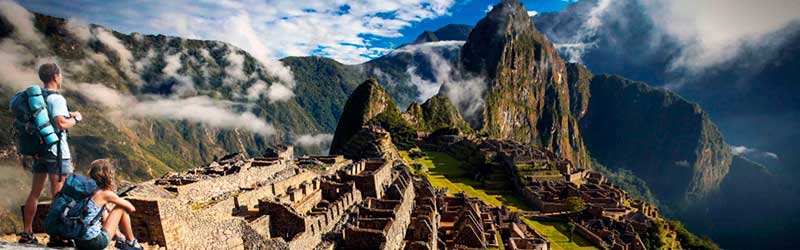
This area is part of the cloud forest, where mist, orchids, green vegetation, and dramatic mountain views create a magical atmosphere.
The final day can begin early and cool, especially before sunrise. Later in the morning, temperatures usually become warmer.
Rain or mist can appear at any time, but this often adds mystery and beauty to the first view of Machu Picchu.
Best Weather Months for the Classic Inca Trail
The best weather months for the Classic Inca Trail are usually:
May
June
July
August
September
These months offer the highest chance of dry conditions and clear views.
May and September are especially recommended because they offer good weather with fewer crowds than the busiest months of July and August.
If you want the best balance of weather, scenery, and availability, May, June, and September are excellent choices.
What to Pack for Inca Trail Weather
Packing correctly is one of the best ways to enjoy the Inca Trail in any season.
You should bring:
A waterproof rain jacket
Warm fleece or down jacket
Moisture-wicking shirts
Comfortable hiking pants
Warm hat and gloves
Sun hat and sunglasses
Sunscreen
Waterproof hiking boots
Trekking poles
Backpack rain cover
Quick-dry socks
Personal medication
Original passport
Even in the dry season, rain protection is recommended because weather in the Andes can change quickly.
Weather Tips Before Hiking the Classic Inca Trail
Check the weather forecast before leaving Cusco, but remember that mountain weather can change fast.
Dress in layers so you can adjust during the day.
Keep rain gear easy to reach in your daypack.
Use sunscreen even on cloudy days because UV rays are strong at high altitude.
Protect your camera, phone, and documents from rain and humidity.
Most importantly, travel with experienced local guides who understand the route, weather patterns, safety points, and daily trail conditions.
Why Weather Should Not Stop You from Booking
The weather is part of the adventure on the Classic Inca Trail.
Sunshine, mist, clouds, rain, and cold mountain air all create the atmosphere that makes this trek so special.
With the right equipment and a trusted local operator, you can enjoy the trail safely and comfortably in different seasons.
Every month has its own beauty. Dry season offers clear views, while rainy season brings green landscapes and a quieter experience.
Book Your Classic Inca Trail with Confidence
Planning your Inca Trail adventure?
Book your Classic Inca Trail tour with a reliable Cusco-based travel agency and receive expert support from start to finish.
We help you with permits, professional guides, camping equipment, meals, transportation, porter service, safety assistance, and personalized travel advice.
Inca Trail permits are limited and sell out quickly, especially during the dry season.
Secure your space early and get ready for one of the most unforgettable journeys to Machu Picchu.
FAQs About Inca Trail Weather Forecast
What is the best weather season for the Classic Inca Trail?
The best weather season for the Classic Inca Trail is the dry season, from May to September. These months usually offer clearer skies, less rain, and better mountain views.
Does it rain on the Inca Trail?
Yes. Rain can happen at any time of year, especially in the Andes. The rainy season from November to March has the highest chance of rain.
Is the Classic Inca Trail cold?
Yes, it can be cold, especially at night and at higher campsites. The coldest moments are usually early morning, evening, and around Dead Woman’s Pass.
What is the warmest part of the Inca Trail?
The warmer areas are usually near the beginning of the trail and closer to Machu Picchu, where the climate becomes more humid and tropical.
What is the coldest part of the Inca Trail?
The coldest section is usually around Dead Woman’s Pass and the high campsites. Warm clothing is very important.
Can I hike the Classic Inca Trail in the rainy season?
Yes, you can hike the Classic Inca Trail during the rainy season, except in February when the trail is closed. You must be prepared for rain, mud, and slippery paths.
Is February available for the Classic Inca Trail?
No. The Classic Inca Trail is closed every February for maintenance, conservation, and safety work.
Do I need rain gear in the dry season?
Yes. Even during the dry season, rain is possible in the Andes. A rain jacket and backpack cover are always recommended.
What should I wear for the Inca Trail?
Wear layers. Bring breathable hiking clothes, a warm jacket, waterproof gear, hiking boots, gloves, a hat, and sun protection.
When should I book the Classic Inca Trail?
You should book several months in advance, especially if you want to hike between May and September. Permits are limited and sell out quickly.
Let’s Get You Booked
Do not let unpredictable mountain weather stop your dream.
The Classic Inca Trail is beautiful in every season, and with the right preparation, it becomes a safe, inspiring, and life-changing journey.
Contact us today, check permit availability, and reserve your Inca Trail to Machu Picchu adventure before spaces sell out.